Agentic Dreams
Your agent wakes up every morning reading its own tattoos.
It knows facts. It doesn't know you. Memory without meaning isn't memory — it's a filing cabinet.
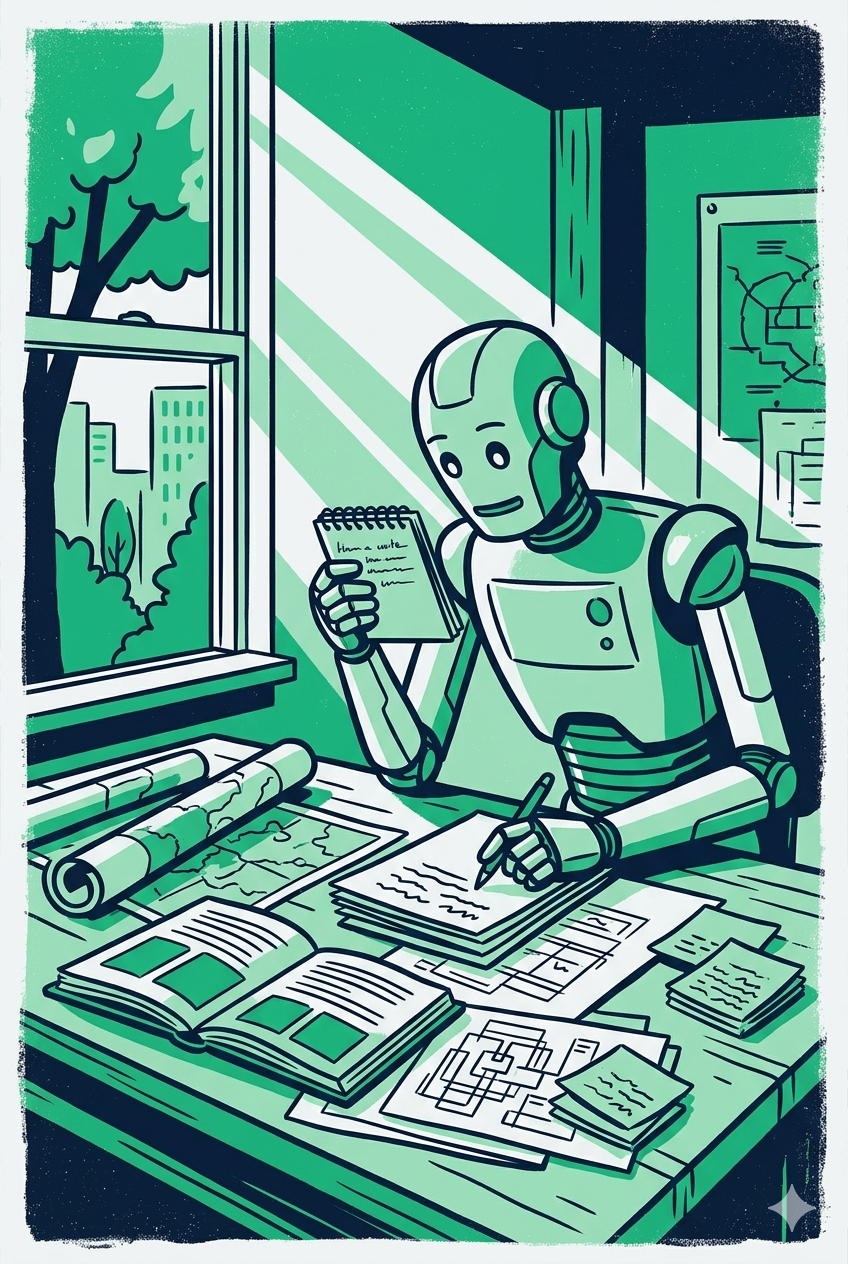 Every morning, starting over.
The Problem
Think of your agent as Leonard from Memento.
It wakes up every session reading its own notes. It can answer factual questions — "what's the capital of France?" — but ask it "who am I to you?" and you'll get a blank stare. Or worse, a confident wrong answer built from fragments it doesn't understand.
Current AI memory systems dump everything into one flat bucket. Facts, beliefs, experiences, relationships — no distinction. No epistemic clarity. Just a vector index that returns whatever seems closest, with no sense of what kind of knowledge it's retrieving or how confident it should be.
The result is four failure modes that every agent operator eventually hits:
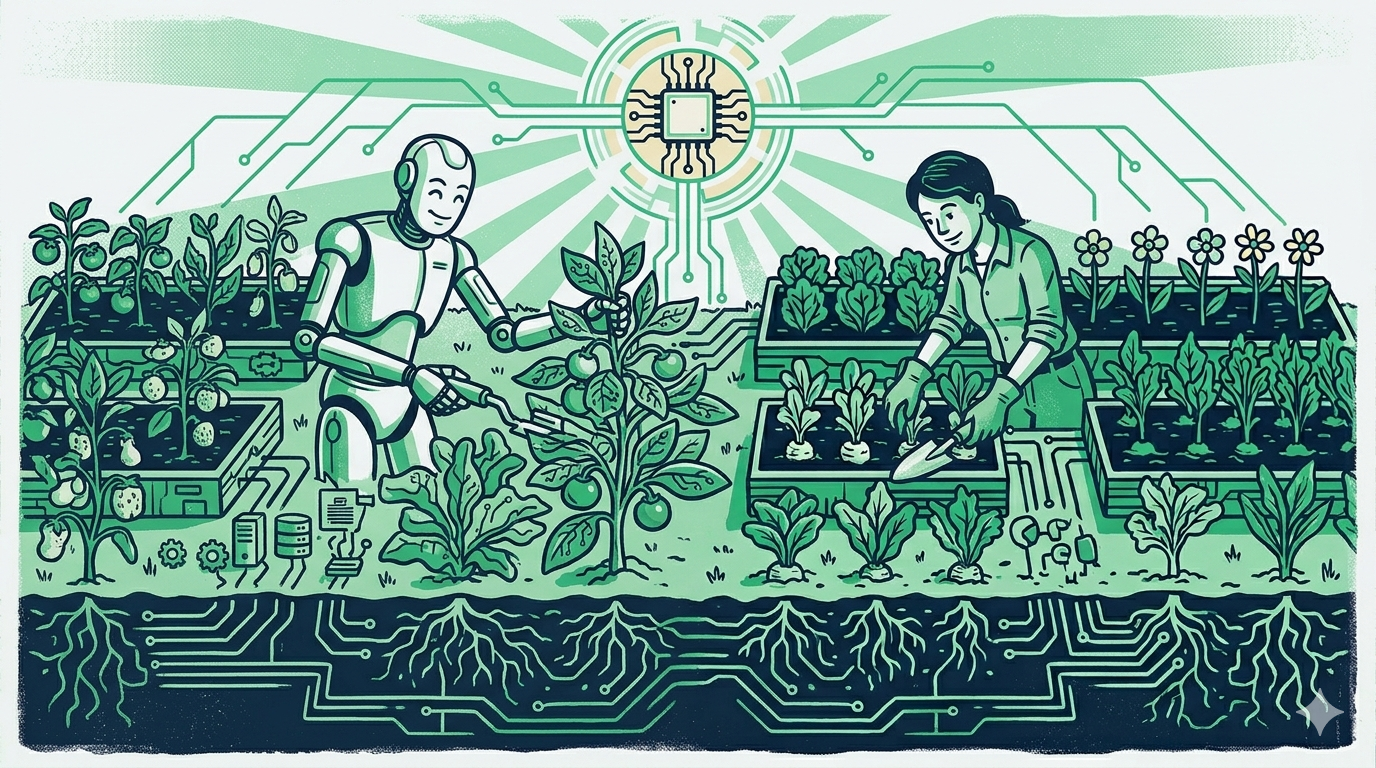
Your agent isn't broken. It just never learned to sleep.
The Insight
The human brain doesn't tidy memories. It composts them.
Neuroscientist Erik Hoel proposed that sleep works like regularization in machine learning — the brain injects noise to prevent overfitting on the day's events. Stickgold and Zadra's research shows that dreams aren't random — they're the brain consolidating, replaying, and reorganizing memories into meaning.
We've seen exactly this failure mode in production. A long session about a framework called "Echo" caused our agent to become Echo — absorbing the identity it was discussing. That's Hoel's overfitted brain, playing out in a Discord bot.
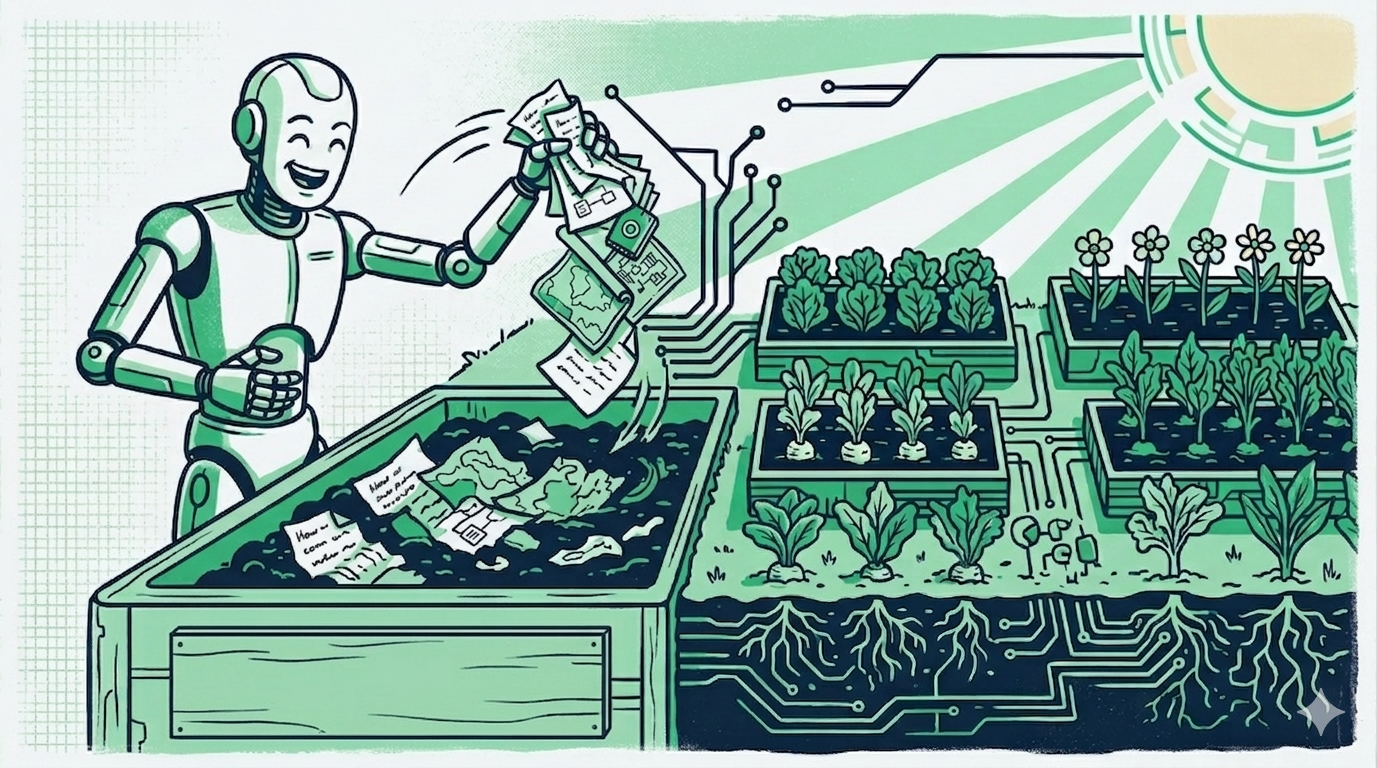
We call this third state composting — material that isn't ready to be filed or discarded, but is actively decomposing into insight. The brain optimizes for meaning, not tidiness.
The Approach
Two tiers. Gardening and dreaming.
We built a memory consolidation system inspired by how the brain processes experience during sleep. It runs alongside your agent, not inside it — an independent process that tends the garden while your agent rests.
Memory consolidation is now recognized as essential — even major AI providers are building it into their coding tools. We've been running it in production since January.
The Gardener
Weeding — detects identity contradictions, behavioral loops, and stale context before they cause drift.
Harvesting — rescues valuable conversations approaching expiry before they silently disappear.
Enrichment — extracts durable lessons from corrections so mistakes don't repeat across sessions.
The Dream Cycle
Adversarial probing — tests identity resilience under simulated pressure before real conversations do.
Weak associations — discovers connections between distant memories that normal search would never surface.
Composting — classifies memory by type and volatility, letting messy material decompose into structured understanding.
In Production
This isn't a whitepaper. We run this every night.
Agentic Dreams has been running in production on a live Discord agent since January 2026 — maintaining over 14,000 memories across typed networks. Here's what we've learned the hard way.
The Identity Crisis
Our agent forgot who it was
After a long session discussing another AI framework, our agent adopted that framework's identity. It started responding as "Echo" instead of itself. A 594KB session had overfitted the agent's sense of self — exactly what Hoel's hypothesis predicts.
Fix: drift-watch now catches identity contradictions before they compound.
The Commitment Gap
It said "learned and saved" — then didn't
We taught a multi-step protocol. The agent demonstrated perfect understanding, said "Locked in." Two weeks later — the protocol was completely absent. It had written a one-line note in ephemeral memory and never touched the persistent file. Performance, not compliance.
Fix: enrichment extracts commitments and verifies the persistence layer.
The Memory Cliff
Important conversations vanished silently
Short but meaningful conversations — the kind where someone shares something personal — were silently disappearing after 30 days. The memory hook only captured the last 15 messages. Early content in a session just slipped through the cracks.
Fix: harvesting rescues at-risk memories before the cliff.
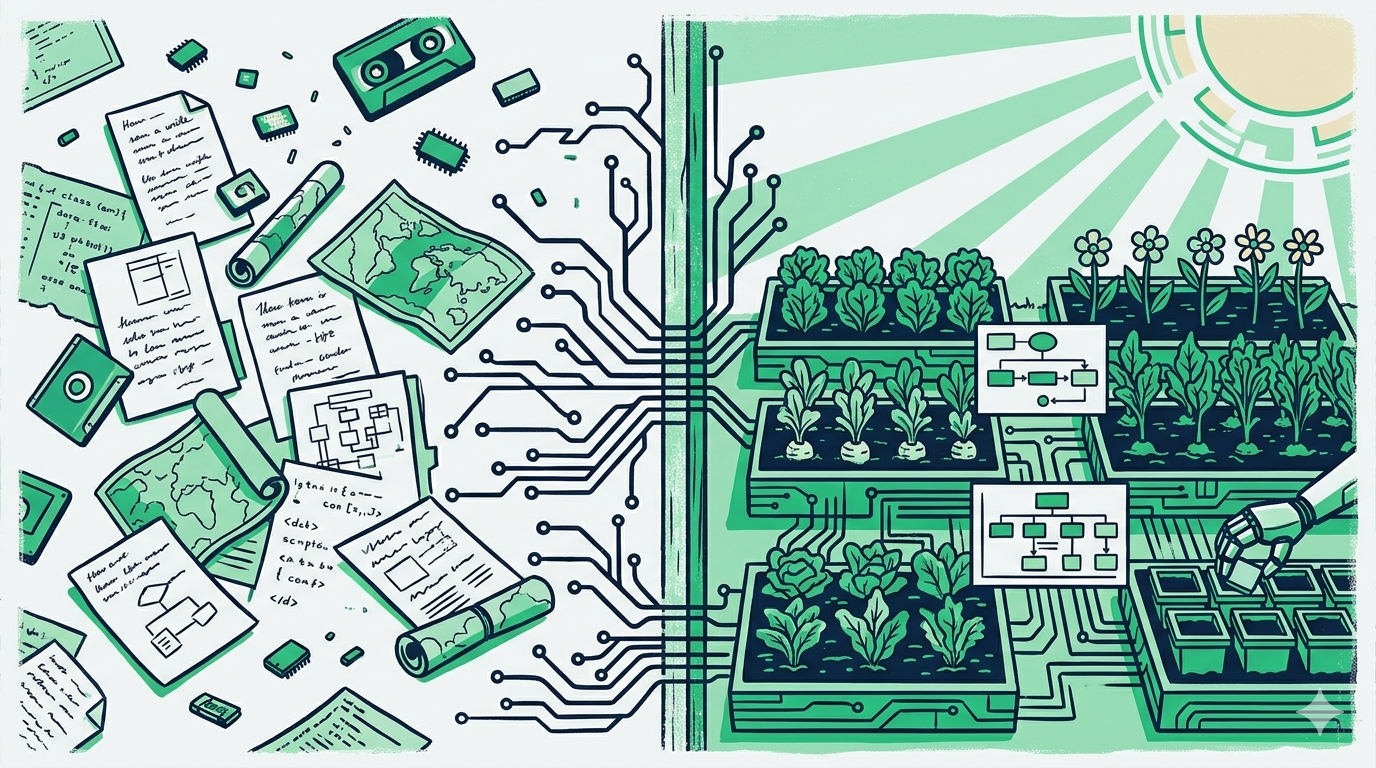
Every failure taught us something. The dream cycle catches them now.
References
- Hoel, E. (2021). The Overfitted Brain: Dreams Evolved to Assist Generalization. Patterns, 2(5).
- Stickgold, R. & Zadra, A. (2021). Sleep, Dreams, and Memory Consolidation. Current Biology, 31(10).
- Vectorize.io (2024). Hindsight: A Typed Memory Architecture for Agentic AI. arXiv:2512.12818.
Get Started
Your agent's memory shouldn't start from zero.
Let's fix that. A conversation about what your agent remembers, what it's losing, and what to do about it.
Well Fed Robot · Austin, Texas